Surfing Guide to Gran Canaria, Canary Islands
Summary
Gran Canaria is a world-class surf destination in the Canary Islands, offering waves for all skill levels, year-round sunshine, and warm water temperatures. Whether you’re chasing heavy reef breaks or learning to ride your first waves, Gran Canaria delivers.
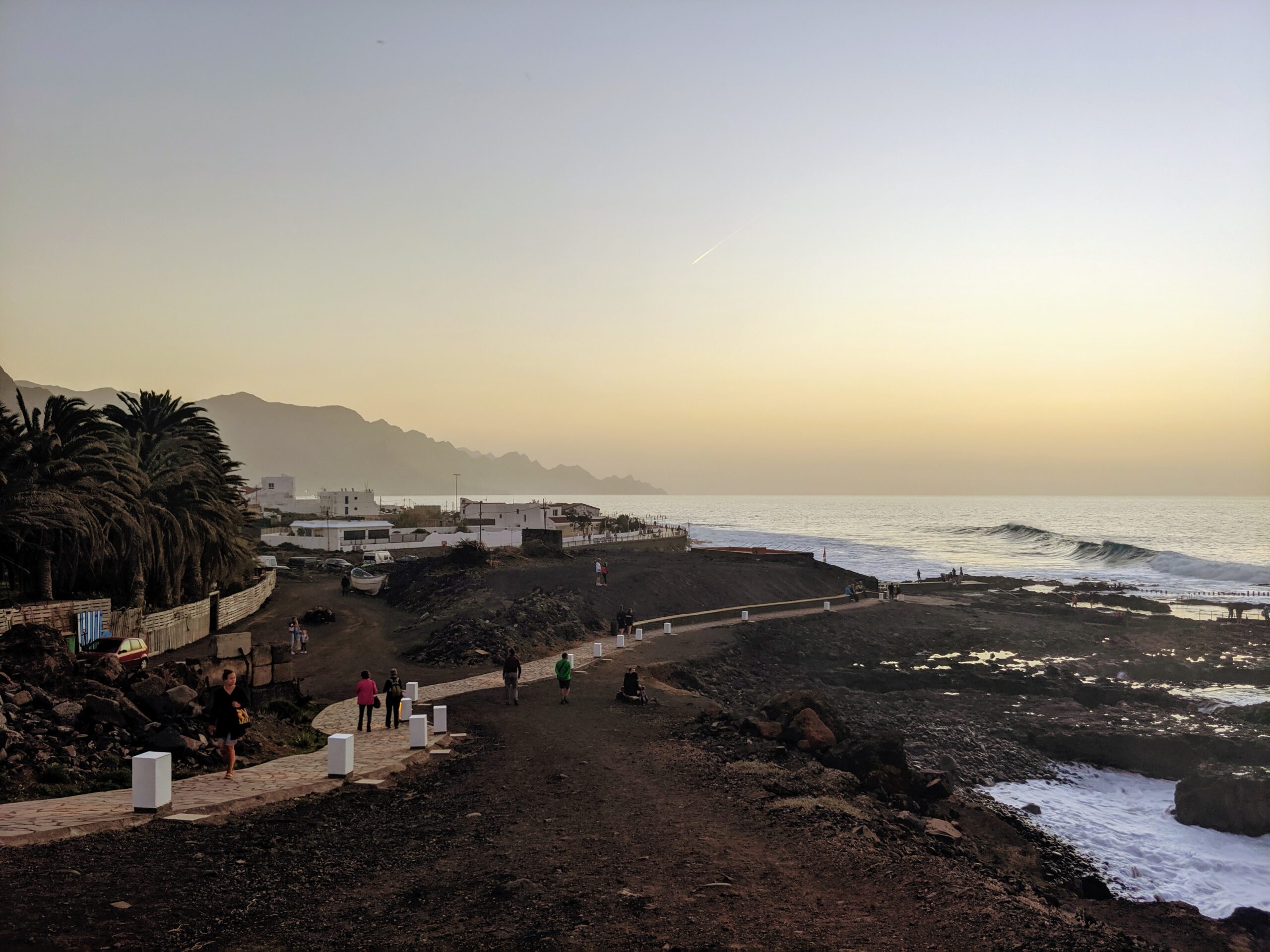
The island’s north coast, stretching from Las Palmas to El Pagador, is the most wave-rich zone, consistently picking up winter swells. The south coast tends to offer smaller, softer waves, making it ideal for beginners and casual surfers.
When to go
The best time to surf Gran Canaria, in the Canary Islands, is from October to April for bigger and more consistent waves. Beginners looking for smaller waves will probably have a better time from May to September, during the summer season.
| January-February | March-April | May-June | July-August | September-October | November-December | |
|---|---|---|---|---|---|---|
| Suitable for: | All surfers | All surfers | All surfers | All surfers | All surfers | All surfers |
| Air temperature | 18°C 64°F | 19°C 66°F | 21°C 70°F | 23°C 73°F | 23°C 73°F | 20°C 68°F |
| Water temperature | 19°C 66°F | 19°C 66°F | 21°C 70°F | 22°C 72°F | 23°C 73°F | 21°C 70°F |
| Crowd | Fairly crowded | Few people | Few people | Fairly crowded | Few people | Few people |
| Swell Consistency | 85% | 85% | 55% | 40% | 70% | 85% |
| Swell height | 7 ft | 7 ft | 6 ft | 6 ft | 6 ft | 8 ft |
Surf Camps in Gran Canaria
Book a Surf Camp in Gran Canaria, Starts at US$150
- Daily surf lessons
- Qualified surf instructors
- Various surf spots suitable for all levels
- Accident and liability insurance
- 3 nights accommodation
- Surfing equipment
Where to stay in Gran Canaria
A great place to stay on a surf trip to Gran Canaria is in Las Palmas which gives you the best access to the island’s best surf spots.
Getting there
By Air: Gran Canaria Airport (LPA) has frequent flights from mainland Spain and most major European cities.
By Ferry: Regular ferries connect Gran Canaria to Tenerife, Fuerteventura, Lanzarote, and mainland Spain (Cadiz).
Safety/things to know
Waves can get heavy in winter, especially on the north coast. Beginners should stick to La Cicer or the south coast.
Localism is present, especially at El Confital. Be respectful, wait your turn, and always greet the locals.
Reef booties are recommended for shallow reef breaks.
Morning sessions usually offer the cleanest conditions as trade winds typically pick up by midday.
Surf spots in Gran Canaria
El Confital
El Confital is a powerful, hollow right-hander that offers world-class barrels when the conditions align. It’s a reef break suited for intermediate and advanced surfers.
- Wave direction : Left and right
- Bottom : Sand and rocks
- Best tide : Any
- Skill level : Any
- Optimal swell direction : W
- Optimal wind direction : E
La Cicer
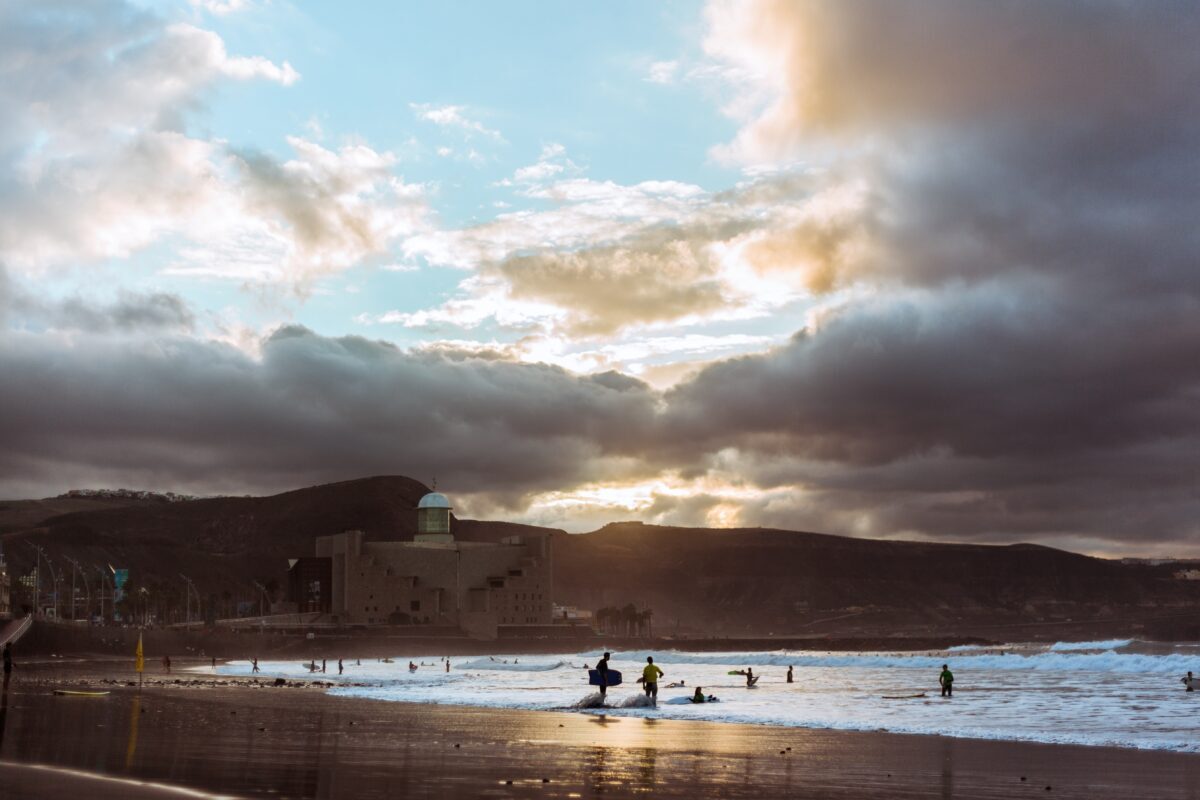
La Cicer is a fun beach break with soft peaks and easy paddle-outs. It’s the most beginner-friendly surf spot on the north coast and is surrounded by surf schools and rental shops.
- Wave direction : Left and right
- Bottom : Sand and rocks
- Best tide : Any
- Skill level : Any
- Optimal swell direction : NNW
- Optimal wind direction : S
El Lloret
El Lloret works well on a variety of swells and offers both lefts and rights. It’s a great spot for intermediates looking for more challenging waves without the intensity of El Confital.
- Wave direction : Left and right
- Bottom : Reef
- Best tide : Any
- Skill level : Any
- Optimal swell direction : NNW
- Optimal wind direction : S