
Complete Surfing Guide to Chiba, Japan
Summary
Being so close to Tokyo, the surf in the Chiba prefecture is by far the most accessible hence why it is the number one surfing destination in Japan. It is known for being a swell magnet that provides waves almost all year with only a few flat weeks.
The peninsula stretches on roughly 50 km along which you will find several beaches and surf breaks. In summer, most towns offer a very nice vibe and party atmosphere. Furthermore, many surf schools are established in Chiba to help beginners get into the sport.
It is also in Chiba that will be held the first ever surfing contest in an Olympic event in 2020, more specifically at Shida beach which is a pretty controversial decision due to the poor water quality and inconsistent waves.
When to go
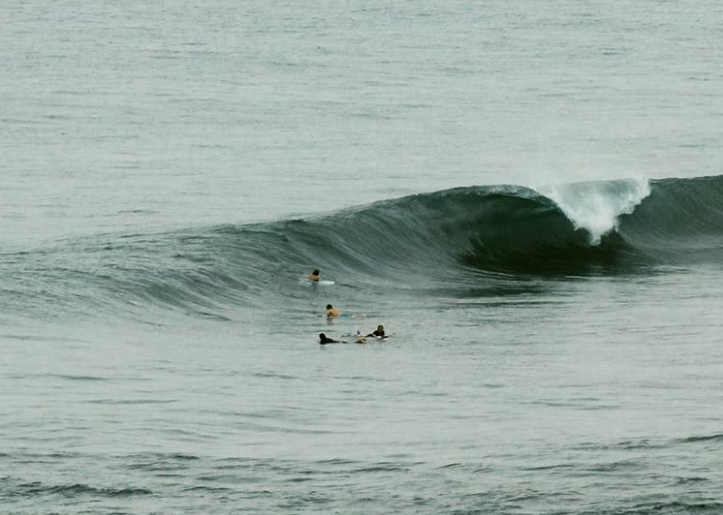
The best time to surf in Japan is from September to November since this is right in the typhoon season. The winter months from December to April will have decent conditions with colder temperatures while the summer months will be more inconsistent but still offer surfing opportunities for beginners and long boarders.
| January-February | March-April | May-June | July-August | September-October | November-December | |
|---|---|---|---|---|---|---|
| Suitable for: | All surfers | All surfers | All surfers | All surfers | All surfers | All surfers |
| Air temperature | 5°C 41°F | 12°C 54°F | 20°C 68°F | 26°C 79°F | 20°C 68°F | 10°C 50°F |
| Water temperature | 15°C 59°F | 16°C 61°F | 21°C 70°F | 25°C 77°F | 24°C 75°F | 20°C 68°F |
| Crowd | Few people | Few people | Fairly crowded | Very crowded | Fairly crowded | Fairly crowded |
| Swell Consistency | 40% | 50% | 50% | 70% | 80% | 60% |
| Swell height | 5 ft | 4 ft | 4 ft | 4 ft | 7 ft | 7 ft |
Getting there
The Chiba prefecture is located about 50 km east of Tokyo making it easily accessible by public transportation or by car.
Safety/things to know
-Japan can be a pretty expensive country to travel to.
-With the Covid outbreak, read local guidelines before planning a trip.
-English is not widely spoken in Japan.
-Chiba gets very busy in summer
Surf spots in Chiba
Katagai
The northern end of the Kujukuri Beach Line, and a heavier one. Same open beach break as its neighbors, but the current runs stronger here, so it’s more of an intermediate-and-up spot. Fewer surfers than you’ll find further south too, if space is what you’re after.
Kujukuri
This is the beach the whole coast is named after, one of the longest in Japan at around 66 km. Sand bottom, forgiving, and works on almost any tide, which is why it’s such a solid beginner and intermediate stretch. Best from late summer through autumn when the typhoon swells roll in, but it’ll still deliver fun, scrappy waves off winter windswell.
Shirako
Sits between Kujukuri and Ichinomiya, same sandy beach break, plus a river mouth that locals love for clean, offshore mornings, especially in winter. One thing worth knowing: parts of the shoreline are concreted for erosion control, so on high tide the water can get too deep close in for waves to break. Go at low to mid tide.
Ichinomiya
The real hub of Chiba surfing. It’s a farming town first, surf town second, so you’ll see rice paddies running right up to a coastline packed with surf shops and cafés. The main beach is fairly mellow, but the section near the rock pier picks up a stronger pull and more push, running chest to head high on a normal day and well overhead when a typhoon swell hits, better left to intermediate surfers and up. CHP Surf Shop has been here since 1976 and is still the easiest place to rent a board.
Shida
Short for Shidashita, officially Tsurigasaki Beach, and the wave that hosted surfing at the Tokyo 2020 Olympics. Big, open, shifting sandbars, and it turns on in almost any swell or tide combo. Some of Japan’s best surfers came up here, so expect a serious lineup and a serious crowd on weekends, vans with showers and BBQs included.
Onjuku
Where the coast shifts from Kujukuri’s long straight stretch into the livelier towns along Route 128. It’s the one spot on this list you can actually reach by train without a car, and it’s got more restaurants and surf schools than the spots further north, more of a stay-a-while town than a park-and-surf one.